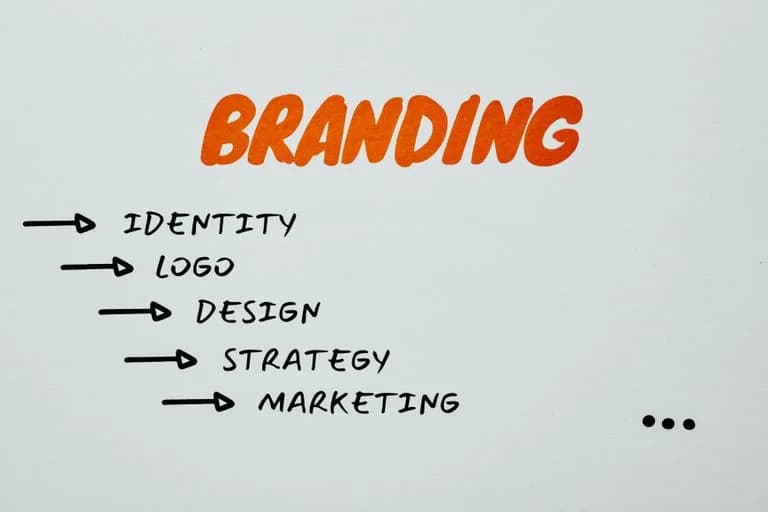
Personal branding is the work of making a person recognisable for a professional contribution and a way of thinking. It connects expertise, judgement and evidence so an audience can understand when to seek that person’s help. The practical question is what people can reliably expect from your work and your perspective.
What does personal branding help you achieve?
A clear professional presence gives people a reason to contact you about a particular problem. A finance adviser explaining a cash-planning decision, for example, lets potential clients see part of the reasoning before an introductory meeting. The content helps them assess whether that approach is relevant to their situation.
Choose the outcome you want before choosing a platform. You might want informed commercial enquiries, speaking invitations, relationships with peers or conversations with prospective employees. Each outcome needs different evidence of progress. A growing follower count does not show that all of them are happening.
What are the building blocks of a personal brand?
| Element | Question to answer | Useful content |
|---|---|---|
| Expertise | Which problem can I help solve? | An explanation of a recurring situation in your work. |
| Judgement | What would I choose, and under which conditions? | A reasoned comparison or a decision explained. |
| Proof | What can someone verify? | A demonstration, a documented case or a specific account of experience. |
These elements work together. Explain the situation, show the decision and identify the evidence supporting it. If a client’s work provides the example, agree what can be published before sharing names, figures or quotations. State your role accurately so readers can distinguish your contribution from the wider project.
How is personal branding different from self-promotion?
A useful post helps someone understand a problem or make a decision. Talking about your achievements can do that when you describe the context, the work and the limits of the result. A claim that a project improved a business gives readers little to assess without those details.
You can build a professional presence while keeping your private life private. Choose the experiences that explain your practice and set boundaries for what you share. Consistency can come from returning to relevant questions with better examples rather than commenting on every trend.
How should you measure a personal brand?
Keep a record of enquiries that mention your content, questions from the audience you want to reach and invitations relevant to your goal. Record production time as well. That lets you compare subjects and formats against the effort they require.
Views and followers describe exposure. They do not establish buying intent or revenue. Asking a new contact how they found you can add useful context, but it does not prove that a single post caused a commercial outcome. Review the quality of conversations as well as their number.
Where do video and podcasts fit?
A short video can explain one decision. A podcast gives a discussion more room for context and competing views. Select a format that suits the material and the questions your audience asks. Prepare examples before recording and use the response to decide what deserves a follow-up.
To record an interview or a podcast in Barcelona, the Agence 54 studio in Eixample accommodates up to four people. Preparation, editing and short clips can be added to the session with a separate quote. Formats and deliverables are agreed before booking.