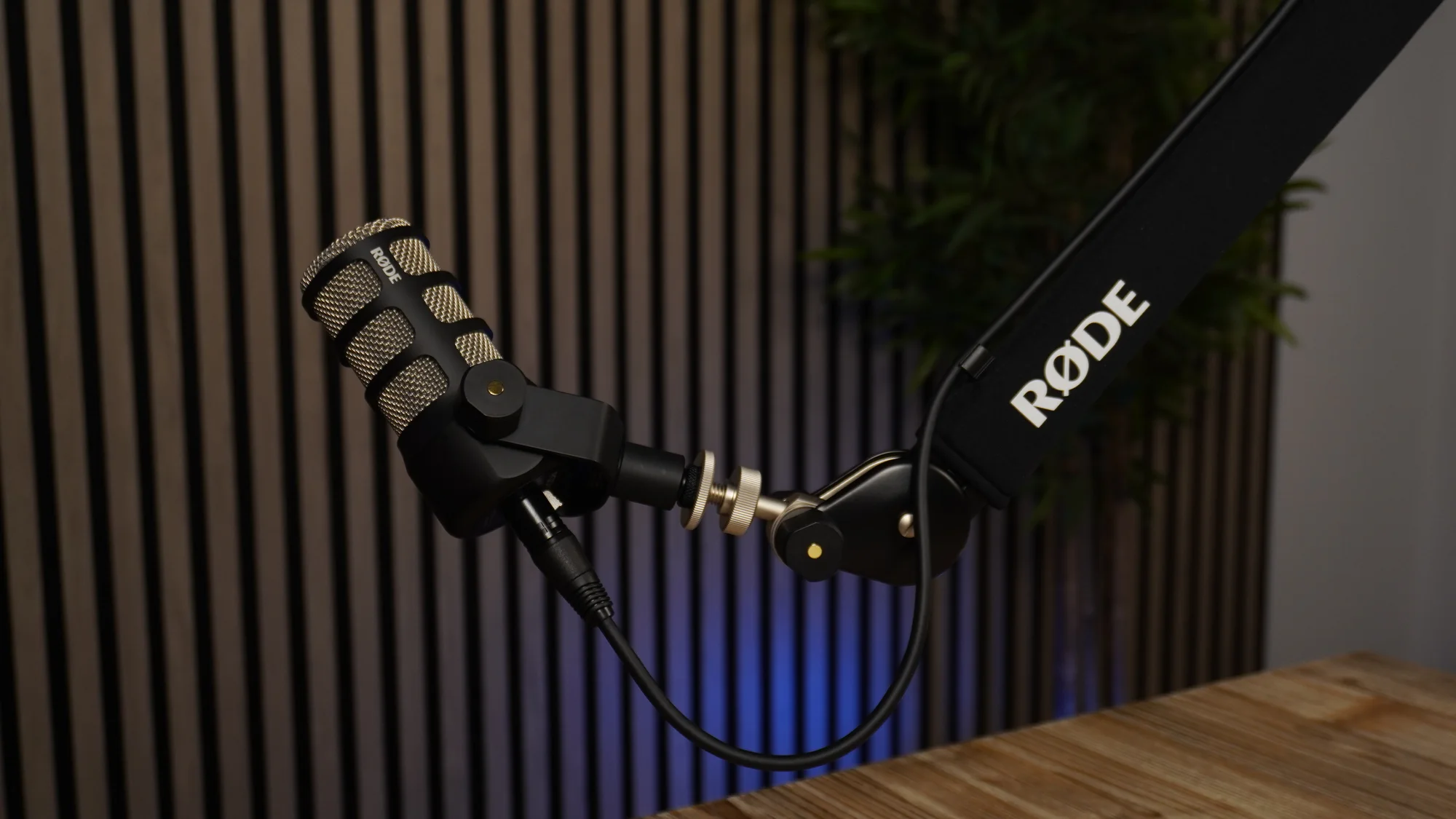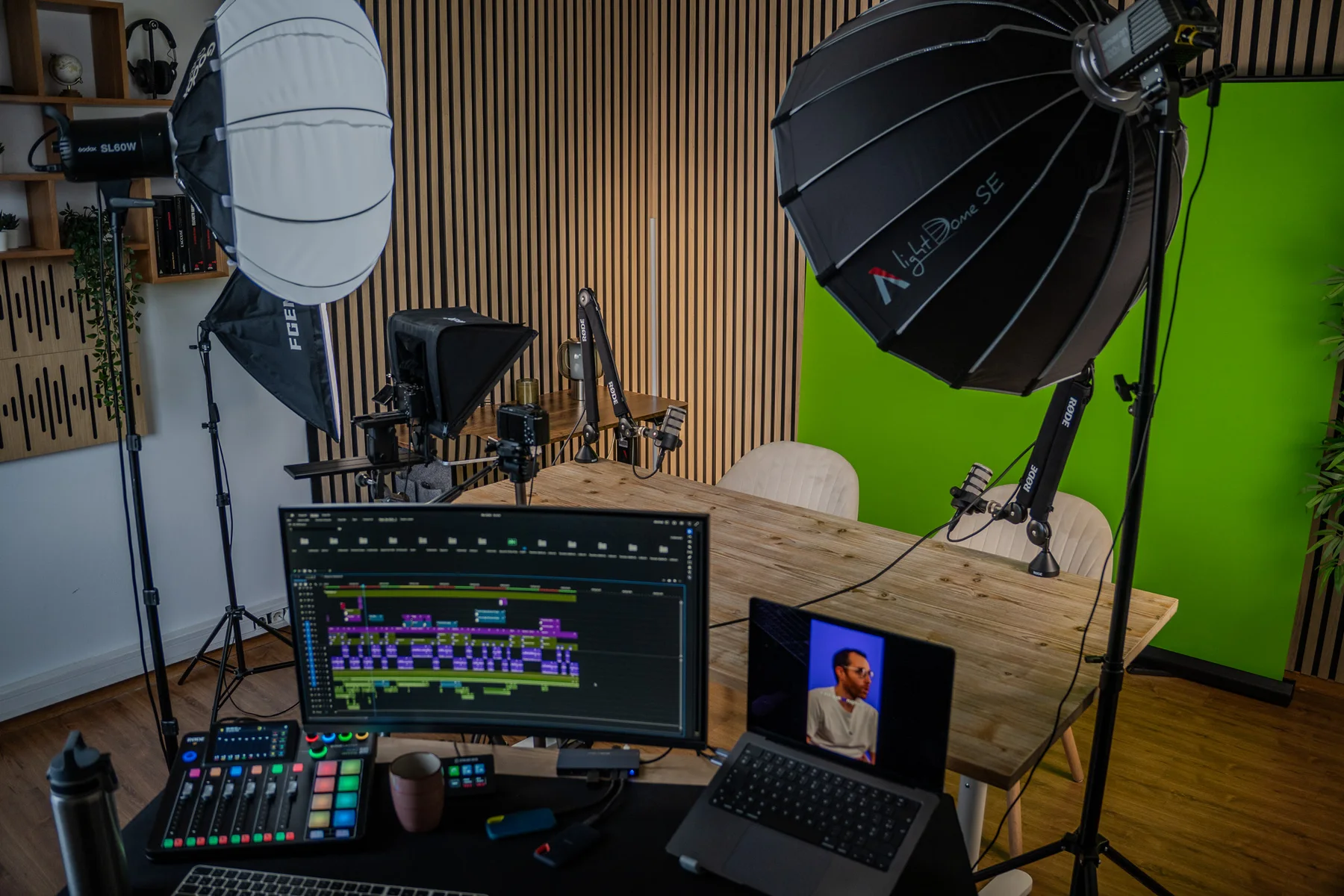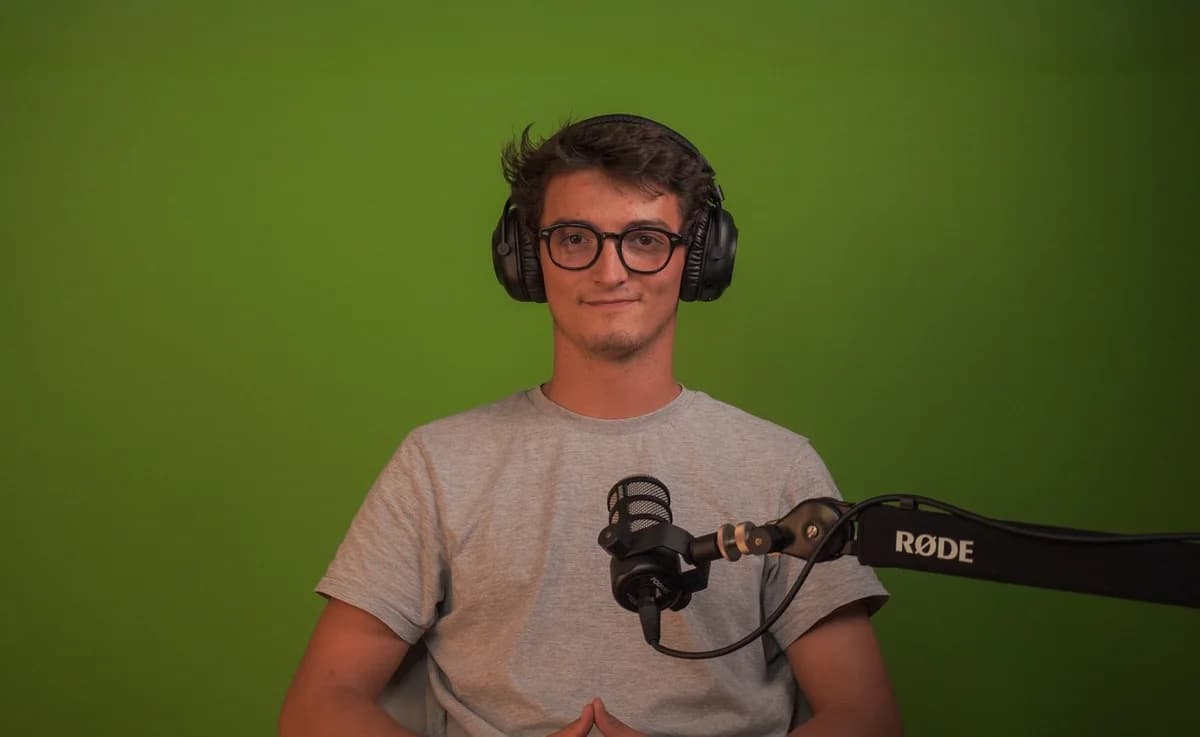
A corporate podcast is an audio or video series for an audience connected to a company’s work: customers, prospective buyers or employees. To assess the idea, plan one pilot with a clear question, an owner and a review method. You can then examine its usefulness and the workload before committing to a season.
Choose the intended listener first. “Help new team leaders understand a practical decision” gives the episode a direction. “Raise awareness” still requires an audience, a subject and an explanation of how the content will be used.
Match the format to the audience’s need
An expert interview answers a professional question through examples. A customer story explains a situation, decisions and outcomes the customer can confirm. An internal knowledge episode shares practices with colleagues through an appropriate access channel. Test one main use so you can evaluate the pilot against that purpose.
For a public series, establish that guests have examples they may share. For an internal recording, agree who should receive the episode and where they will find it. Distribution and approval arrangements belong in the original plan alongside the interview questions.
A pilot example: answer a question buyers already ask
Consider an illustrative service company that is often asked, “What happens during the first month of a project?” It could record a conversation between a customer-facing colleague and an operational specialist. Three sections provide a useful progression: preparing the start, making the first decisions and reviewing what happened.
This is a planning example, rather than a client result. Before recording, gather an example that may be shared, terms that need explaining and facts requiring approval. Add short clips when each section answers a complete question. The LinkedIn video guide helps prepare those pieces for a professional audience.
Ask a few intended listeners to review the pilot. Find out what they understood, which question remains and when they would use the episode. Their answers can show where an example is missing, where the explanation becomes repetitive or which topic deserves a separate piece.
Assign responsibilities before booking
| Work | Responsibility to assign |
|---|---|
| Subject and guests | One person chooses the question and prepares the participants. |
| Recording and editing | The quote separates the production partner’s work from your team’s tasks. |
| Approval | A reviewer combines factual and language corrections. |
| Publication and follow-up | An owner publishes, collects responses and records production time. |
Count internal hours for preparation, coordination and approval even when they do not appear on an invoice. Check that the people doing this work have time before announcing a release frequency. The pilot tests the organisation as well as the recording.
Build a budget for the pilot
At Agence 54’s studio in Barcelona, recording slots cost €100 for one hour, €190 for two hours and €270 for three hours, excluding VAT, for up to four people. Editing, short clips and distribution strategy are quoted separately. The studio prices cover recording; the podcast production budget guide explains how to include the remaining work.
Decide whether to continue from use and workload
For an expert series, record relevant questions and occasions when an episode helps a customer conversation. For internal communication, check whether colleagues can find the content and apply the explanation. Include production hours and the corrections each episode requires when assessing the effort.
Plays describe distribution. Attributing sales requires separate contact tracking and consideration of other commercial activity. After the pilot, choose whether to continue, change the format or stop, based on observed use and team capacity. For recording the pilot at the studio, preparation and editing options are agreed in a separate quote.